A weekend in the Willamette, dammit
Taking advantage of the perks of being my own boss, I recently treated myself to a three-day weekend in the Willamette Valley. It was a great trip filled with delicious wines and more traditional method sparkling “base” than I’ve ever tasted before.
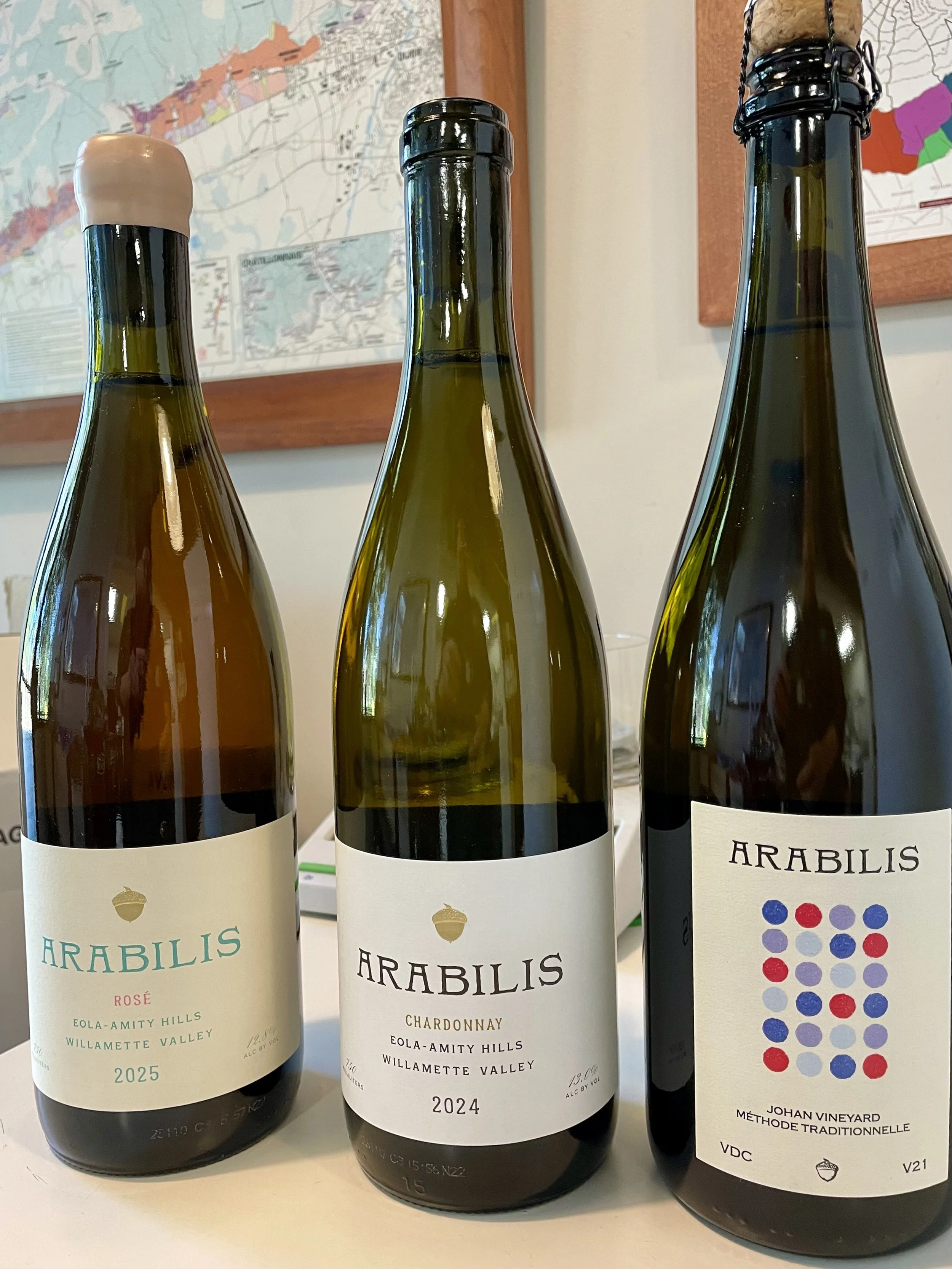
Tasting sparkling wine “base” requires a fair bit of imagination. Unlike finished Champagne, “base” has no bubbles, no dosage sweetness, it’s lower in alcohol, it lacks the brioche like autolytic character from yeast breakdown and it is insane acidic. Wine Enthusiast has a nice explanation of how sparkling wine is made.
Some people describe the challenges of winemaking like making a cake - you can taste the batter to make sure the flavors are delicious and harmonious but the raw cake batter doesn’t give you an indication of the final texture of the cake out of the oven. You have to trust the process. With experience (and fresh baking powder), you can sorta forecast into the future? With the red wines that I work on - I munch on the sweet grapes in the vineyard and then I call the pick, trying to envision a dry, 14% alcohol wine, structured with tannin. Surrender to the protocol.
My wholly overqualified intern-with-a-PhD from harvest 2020, Kenny McMahon and his wife Allison started their own wine project called Arabilis while he was working together with me. Six vintages later, the two of them have a very serious traditional method sparkling wine production operation out of Amity, Oregon where they also craft lovely still wines including Chardonnay, Rose and Pinot Noir. Kenny and Allison are both doctoral Food Scientists and very thoughtful about each incremental improvement to make their wines more delicious. Champagne is very much an inspiration to them and beyond their significant investments in gyropallets, bottling equipment and French oak puncheons, their dedication is exemplified by their multiple trips to the Champagne region, with their super adorbs toddler kid in tow, to learn and taste with the Champenois winemakers in person.
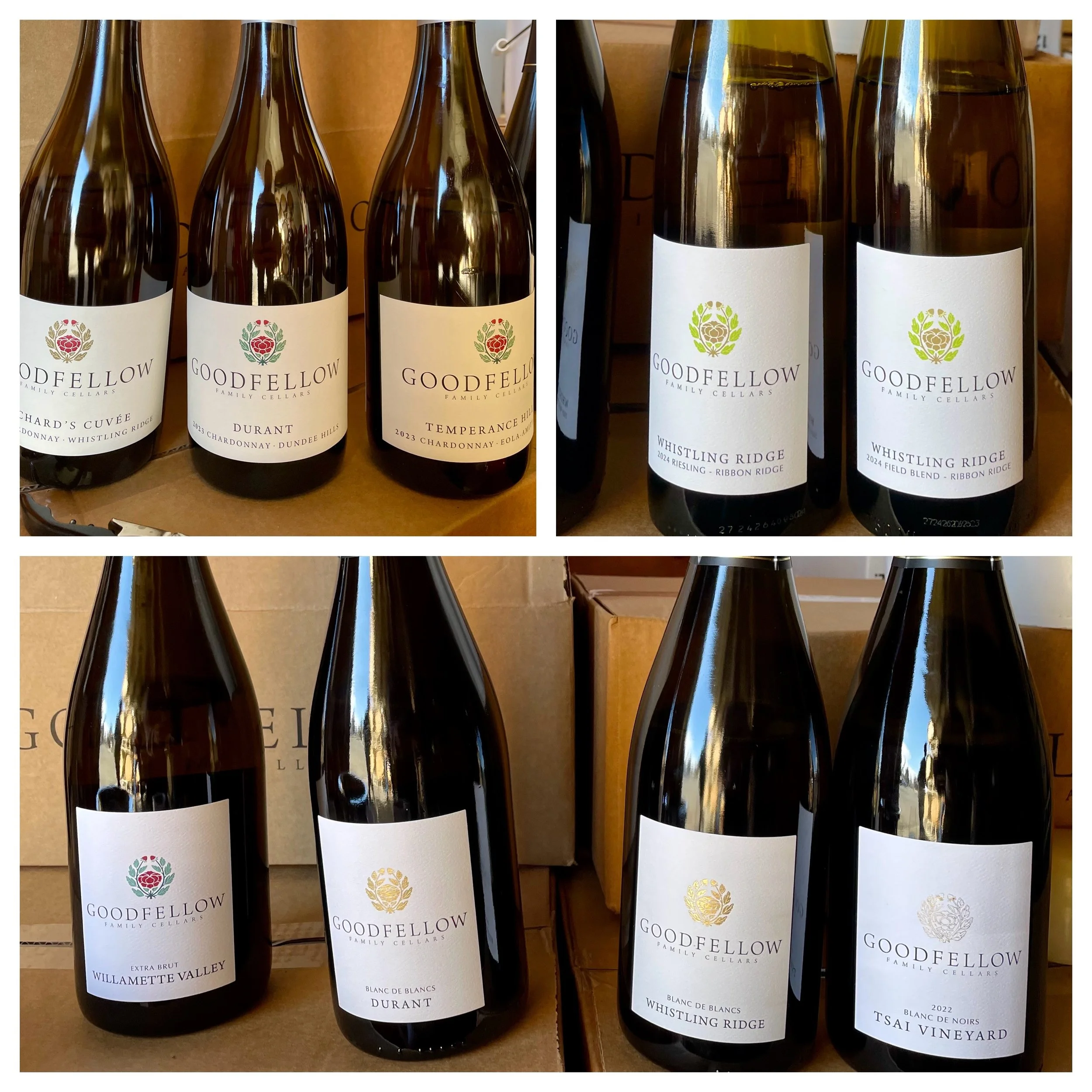
We tasted with Marcus Goodfellow and it was fun to reconnect with him and Megan Joy at their place in McMinnville. They were super generous with their time and their wines. I’d never tasted their traditional method sparkling project before and I really liked the Durant Blanc de Blancs. We had a very interesting conversation about the Wine Berserker community and I was charmed, again, by their aromatic white field blend inspired by the wines of Marcel Deiss in Alsace.
Next we visited Jim Anderson at Patricia Green which was such a treat - somehow in 27 years of tasting in the Willamette Valley I had never been there or met Jim. Maybe this is one of many things that I am doing wrong on the Berserker board - I need a photo with more gravitas / chaotic evil energy than my real face. Anyhow, point being, spoiler alert, Jim’s Berserker avatar photo is different from his actual face.
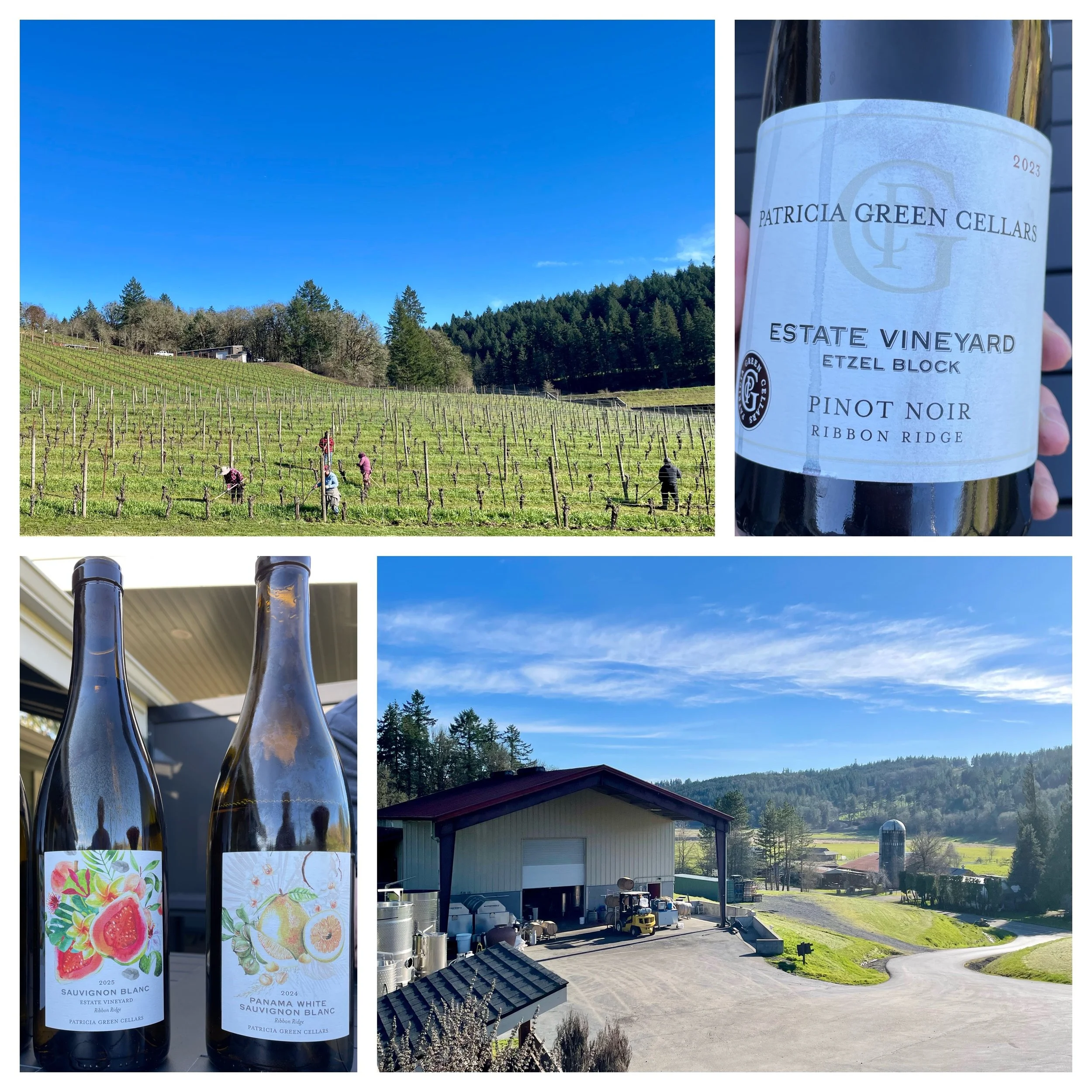
I am somewhat familiar with past Patricia Green Pinot bottlings thanks to my friends Paige and Linn who often bring them to tasting group. But I learned a lot tasting together with Jim and seeing his operation. Also, it was sunny and the spring green of the new growth in vineyard I think has magical effects on the eyes of human beings in the same way that the turquoise blue of Caribbean waters/Carmel beach/Mediterranean does? Auspicious wavelengths.
Then we tasted with together with my old classmate Anthony King at the Carlton Winemakers Studio. I forgot to take any pictures which means we were really nerding out. He is one of the smartest people I know and it is always fun to talk shop with him.
I was unfamiliar with Granville before this trip. Kenny made the arrangements for our visit and I am very happy he did. The estate in the Dundee Hills owned by Jackson Holstein is organic and dry farmed and he uses a very interesting canopy management he calls “tressage” (braiding the shoots along the top wire rather than hedging). I have seen this viticultural practice in Chianti and Vosne-Romanee - I’m all for using less diesel for the tractors that mechanically hedge and I like the idea of training the vine to devigorate on its own. It will be interesting to see if other viticulturalists take note. Wine Anorak has an interesting write up on tressage.
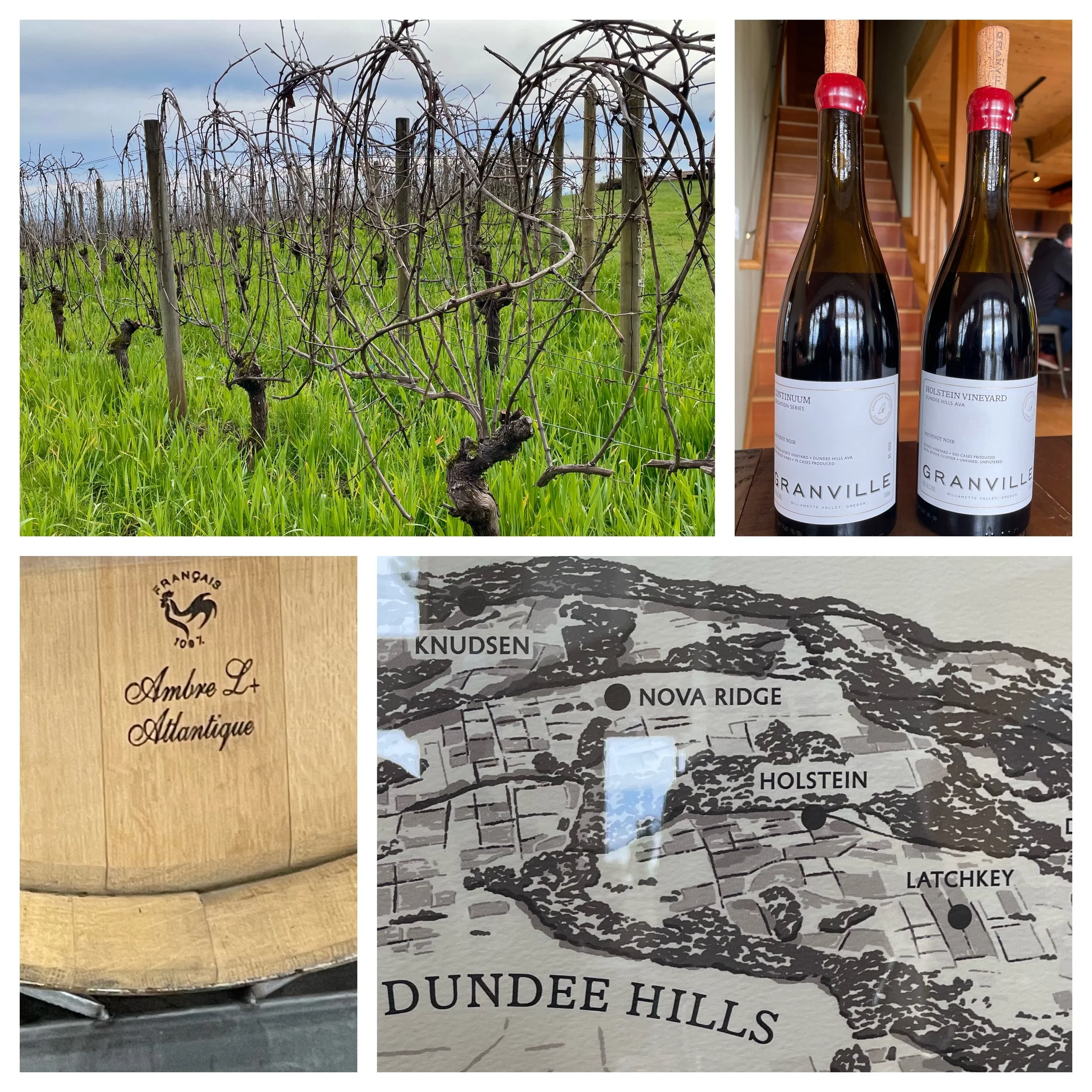
I thought the Granville wines were across the board delicious - ripe and generous but crafted with a deft hand. We tasted Pinot Noir out of bottle and Chardonnay out of barrel. I had never heard of this “oyster barrel” Millard Atlantique French oak staves submerged under (French Atlantic) water and then airdried planed toasted and bent into barrels. We also tasted “Latchkey” chardonnay from Chassin oak, a cooper I first learned about back in 2016 when we visited Walter Scott and tasted the 2014 Ex-Novo Chardonnay aging inside of it. That was a very informative tasting…
After Granville, we had delish lunch at Red Hills Market - these guys always do such a great job especially for gluten free folks like me- and then we visited Flaneur’s converted grain silo cool tasting room in downtown Carlton. Their 2021 “Bon Vivant” 100% Pinot Meunier sparkling wine was a standout, along with Chardonnays that showed really nice tension. I thought their Pinot Noir from their La Belle Promenade vineyard was very delicious.
Returning to this region brought back fond memories of my first trip to the Dundee Hills in 2000 and the many adventures I’ve had here since, from IPNCs and alpaca farms to weddings and an eclipse.
While my own 2023 Leland Vineyard Pinot Noir is sourced from the Willamette Valley, my memories of those trips to Oregon City carry a different tone, likely shaped by the inherent stress of production. This springtime visit was a welcome, leisurely reminder of why this region is so dreamy. Cheers to Oregonian road trips!